Explore new technique for your industrial business
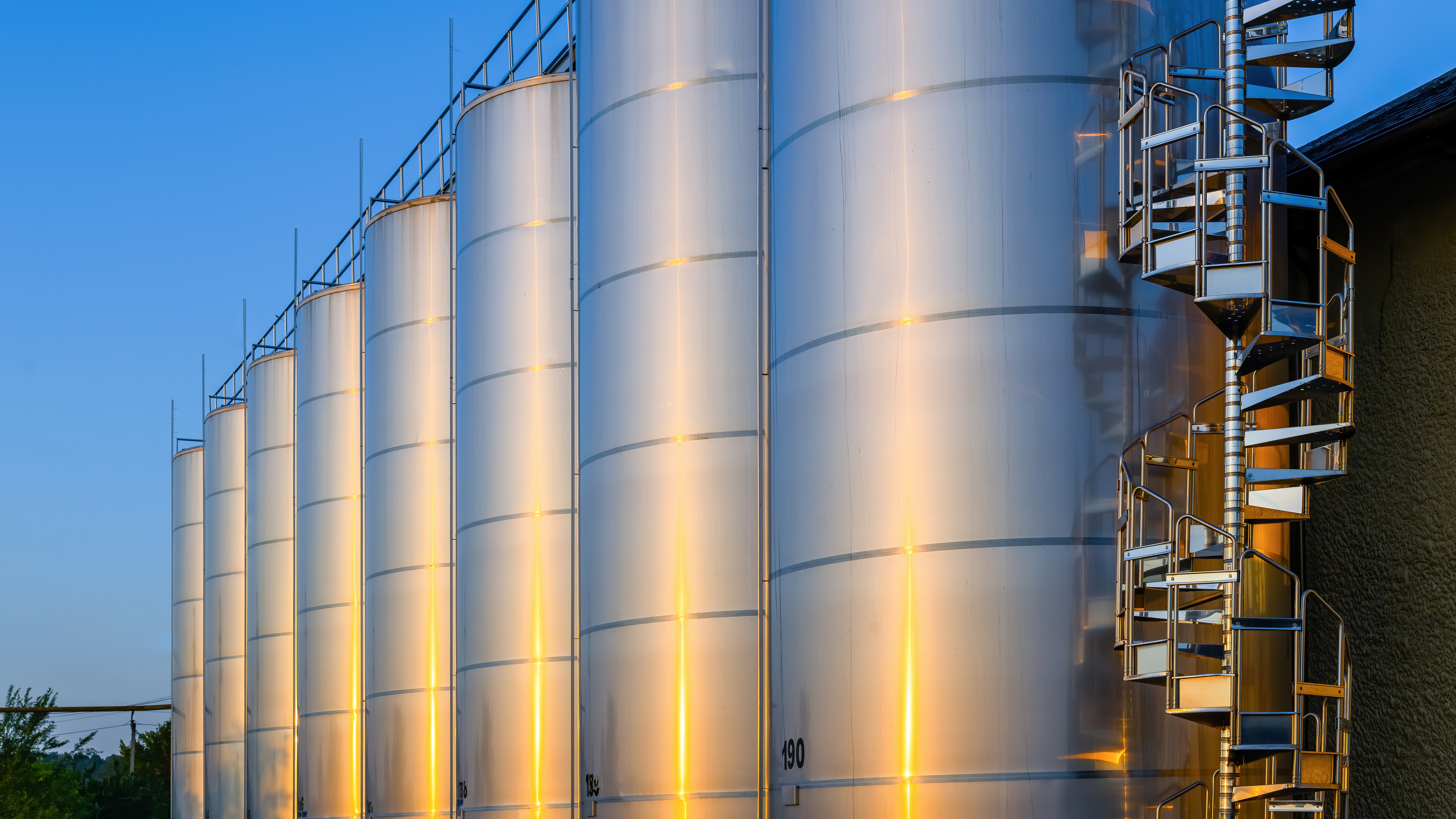
How can we help you?
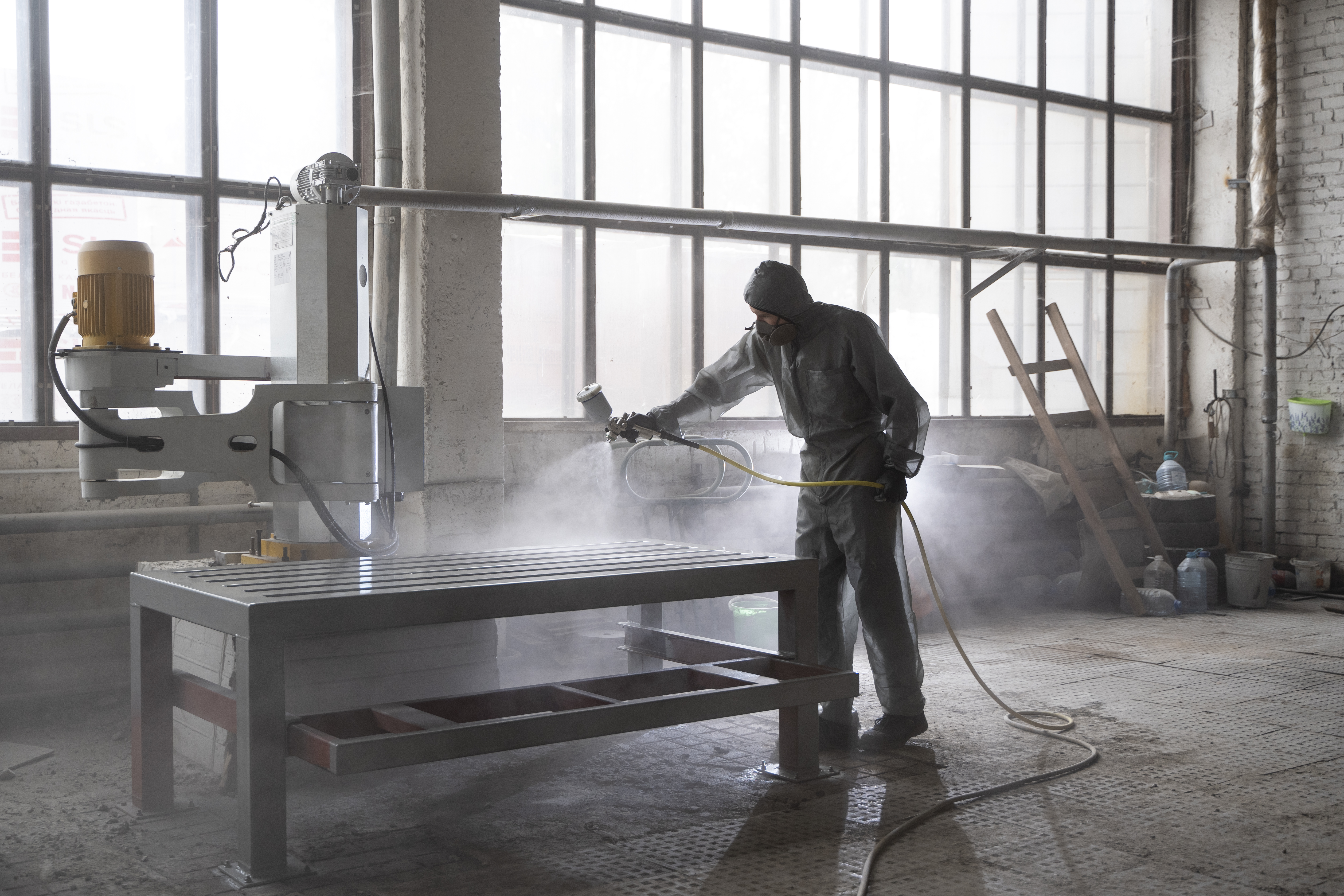
Industrial Blasting & Painting
Beginning with blasting, the surface of the part is cleaned (grease, previous coatings, dust or rust is removed) through abrasion. The etching and scratching in the surface prepares the surface so that the paint bonds and sticks with it. Without this step, paint chips more easily.
Paintings and Coatings are available for insulation, noise reduction, flame resistance, color, visual appearance and more.
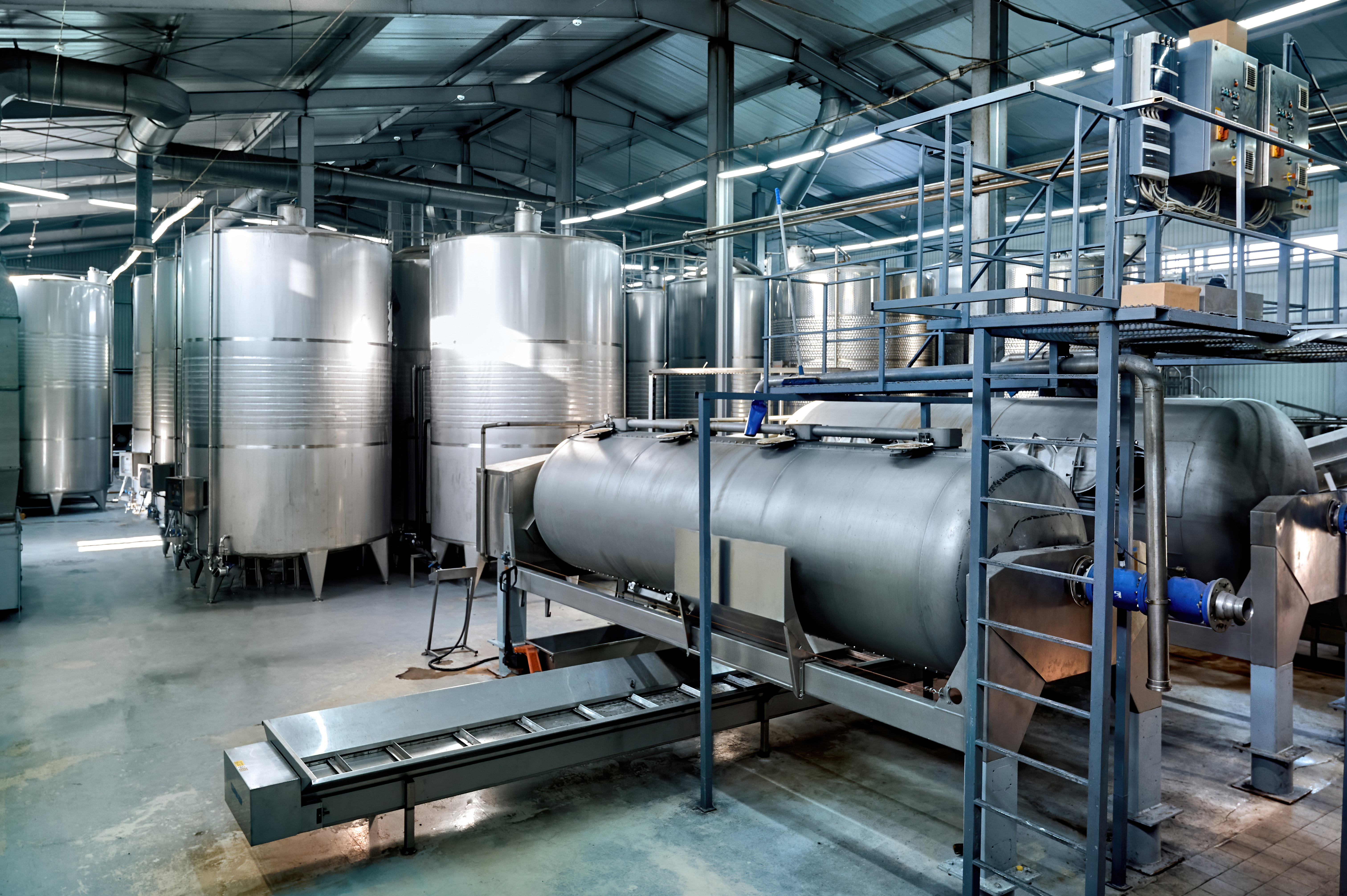
Tank passivation
Passivation is a non-electrolytic process typically using nitric or citric acid which removes free iron from a stainless steel surface. This forms an inert, protective oxide layer that in turn renders the stainless steel more rust-resistant due to lack of iron to react with atmosphere.
Clean – Remove any contaminants from the surface, such as grease and oils.
Passivate – Perform chemical treatment via immersion in an acid bath, typically nitric acid or citric acid.
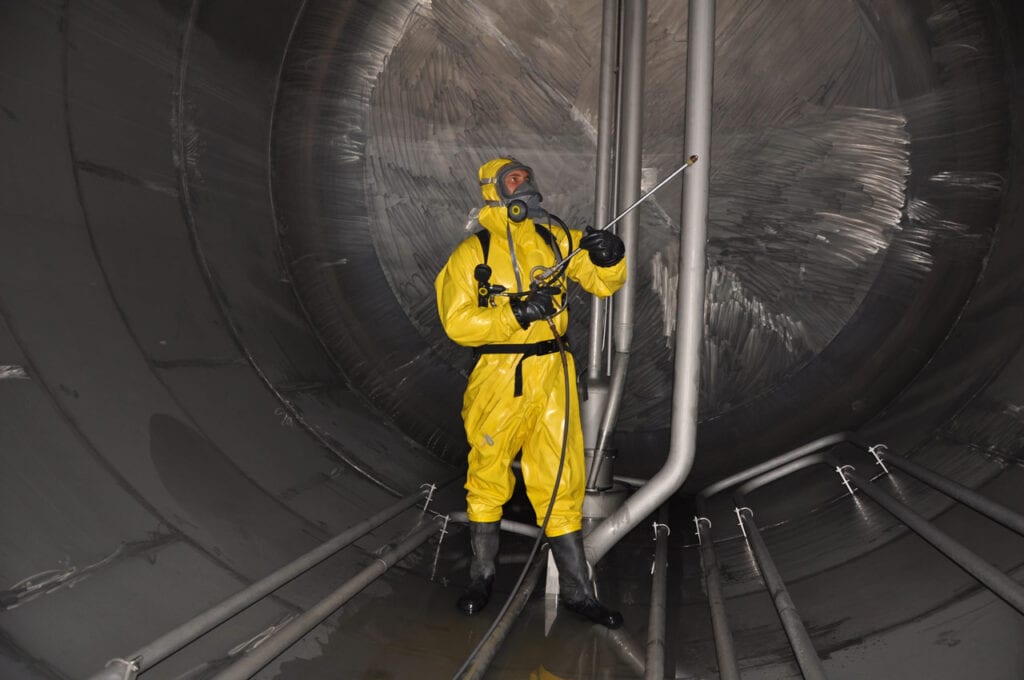
Tank Cleaning
Depending on the project, tank cleaning can include mechanical sludge removal, pumping with specialty nozzles, liquifying and processing sludge and waste disposal. In conjunction with safety, our priority is to work efficiently with minimal disruption to your operations.
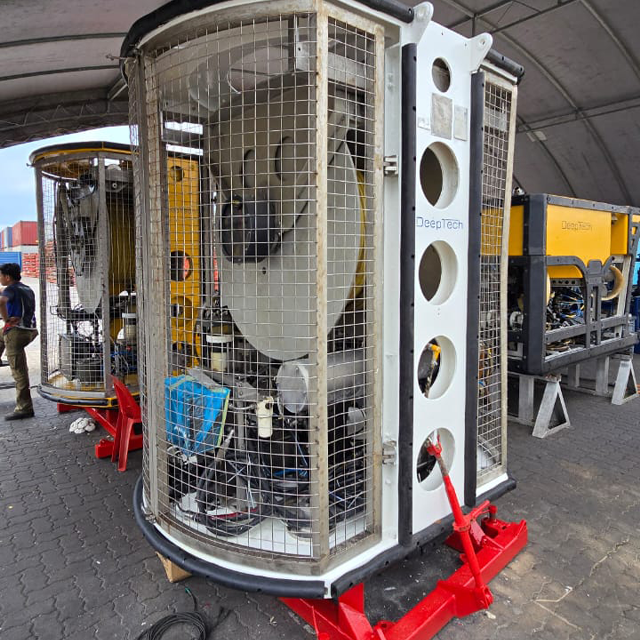
Subsea Refurbishing & Protective Painting
We provide specialised refurbishing and protective painting services for subsea and offshore structures exposed to extreme marine environments. Our solutions focus on restoring structural integrity, improving corrosion resistance, and extending the service life of underwater and splash-zone assets.
We deliver reliable refurbishment and painting solutions for subsea environments, ensuring long-term protection against corrosion and structural degradation in harsh marine conditions.
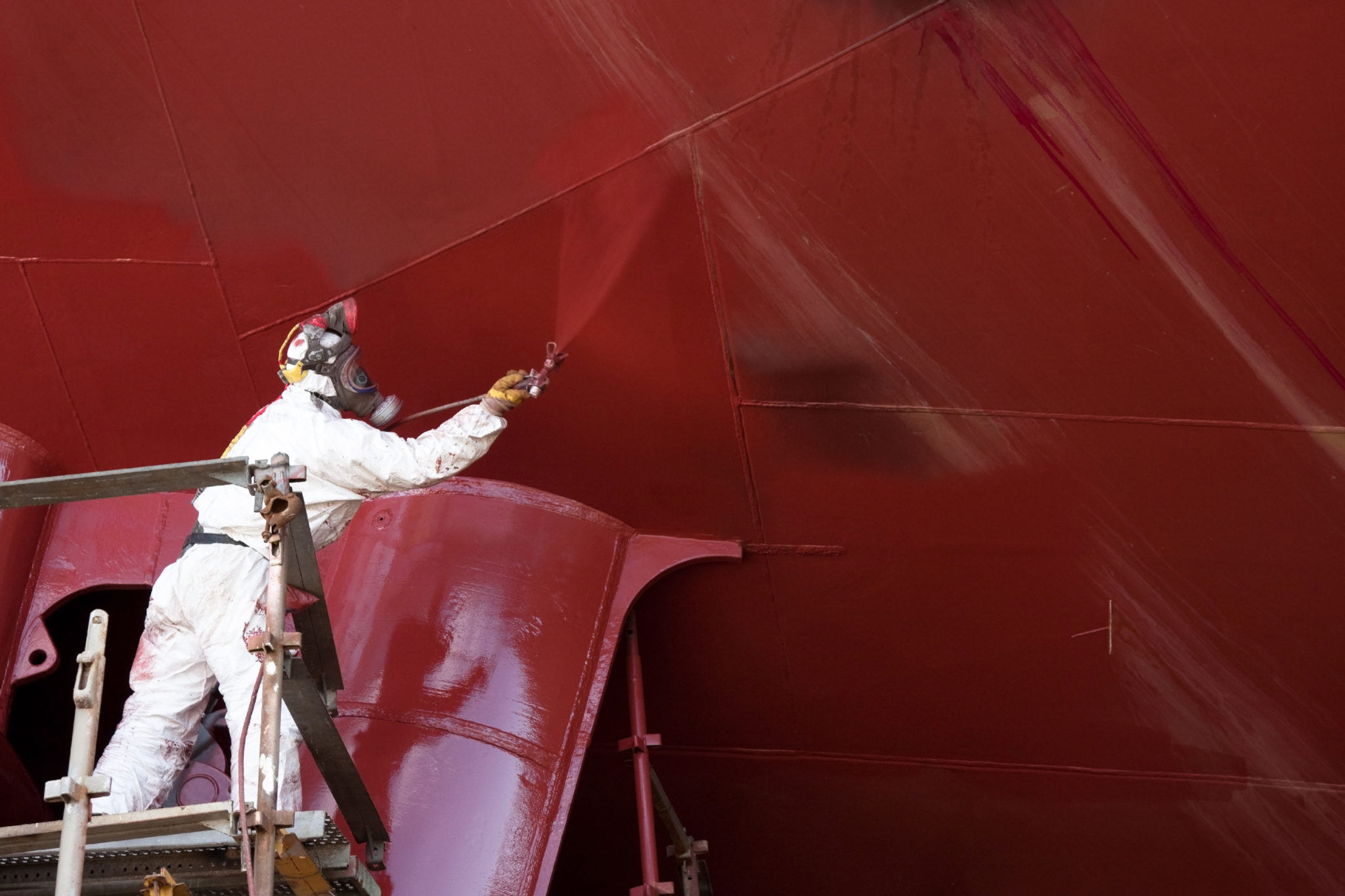
Marine Coating
Marine coatings are waterproof, protective layers that are applied to surfaces exposed to or immersed in fresh, brackish, and/or salt water.
They are used with boats, ships, ferries, and other watercraft, as well as with marine structures such as offshore oil rigs.
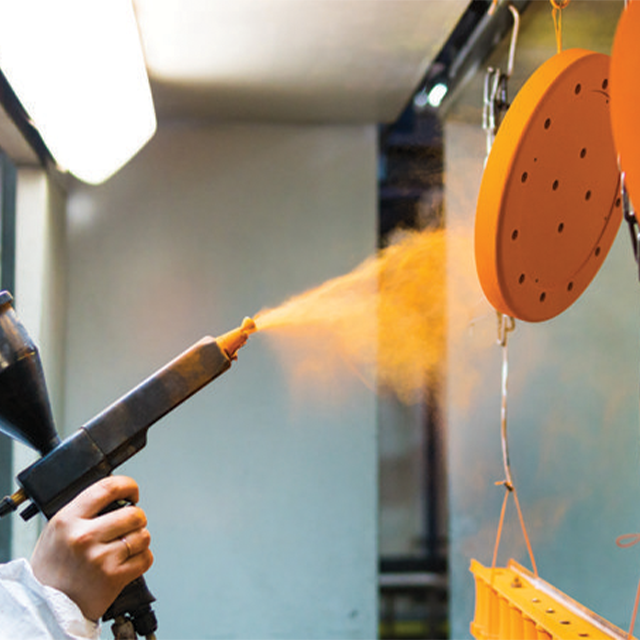
Powder Coating
Powder coating is a type of coating that is applied as a free-flowing, dry powder. Unlike conventional liquid paint which is delivered via an evaporating solvent, powder coating is typically applied electrostatically and then cured under heat.Here’s an overview of the process:
1. Surface Preparation
- Cleaning: The object to be coated (typically metal) is cleaned to remove any dirt, grease, rust, or oils. This step is crucial to ensure proper adhesion of the powder coating.
- Pre-treatment: Often, the surface is also treated with a chemical solution (such as a phosphate or chromate bath) to improve adhesion and protect against corrosion.
2. Applying the Powder
- The powder is applied to the clean surface using an electrostatic spray gun. The powder is electrically charged, and the metal object is grounded.
3. Curing the Coating
After the powder is applied, the object is placed in an oven where it is heated to a specific temperature (usually between 160–200°C or 320–390°F).
4. Cooling and Inspection
After curing, the object is allowed to cool, and the coating solidifies. Once cooled, the surface is checked for uniformity, thickness, and any imperfections.
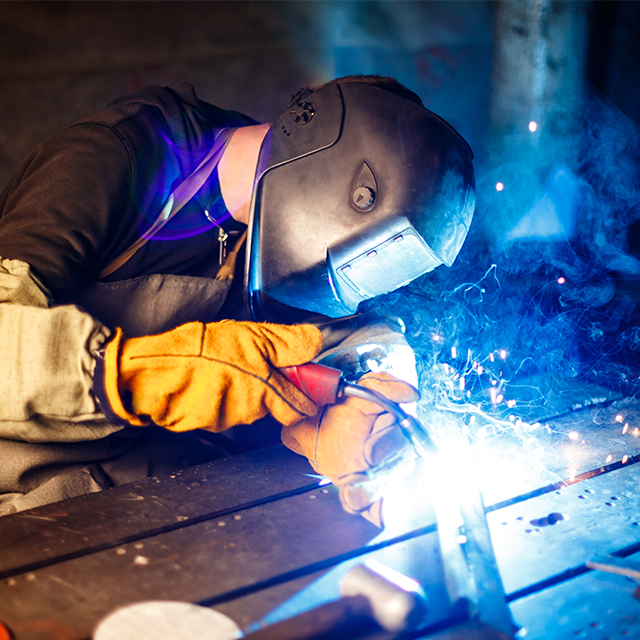
Fabrication
Fabricating generally refers to the process of creating something, often by assembling parts or materials, or it can mean inventing or making up information or stories, especially with the intent to deceive.
In manufacturing: Fabricating means creating or constructing something from raw materials, like metalworking or assembling components into a finished product.
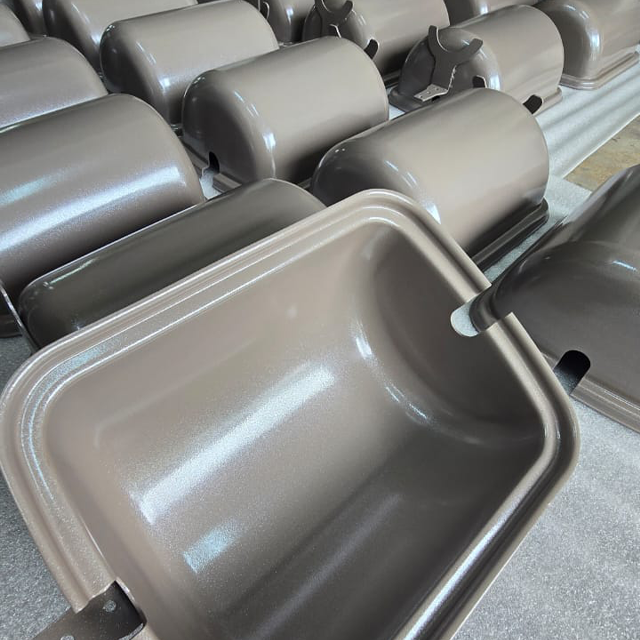
Teflon Coating
Teflon coating, based on polytetrafluoroethylene (PTFE), is a high-performance fluoropolymer surface treatment known for its non-stick, low-friction, and high-temperature-resistant properties. Applied to metals, plastics, and ceramics, it provides durability, chemical resistance, and hydrophobic, easy-to-clean surfaces. It is widely used in cookware, industrial machinery, and automotive applications to enhance performance.
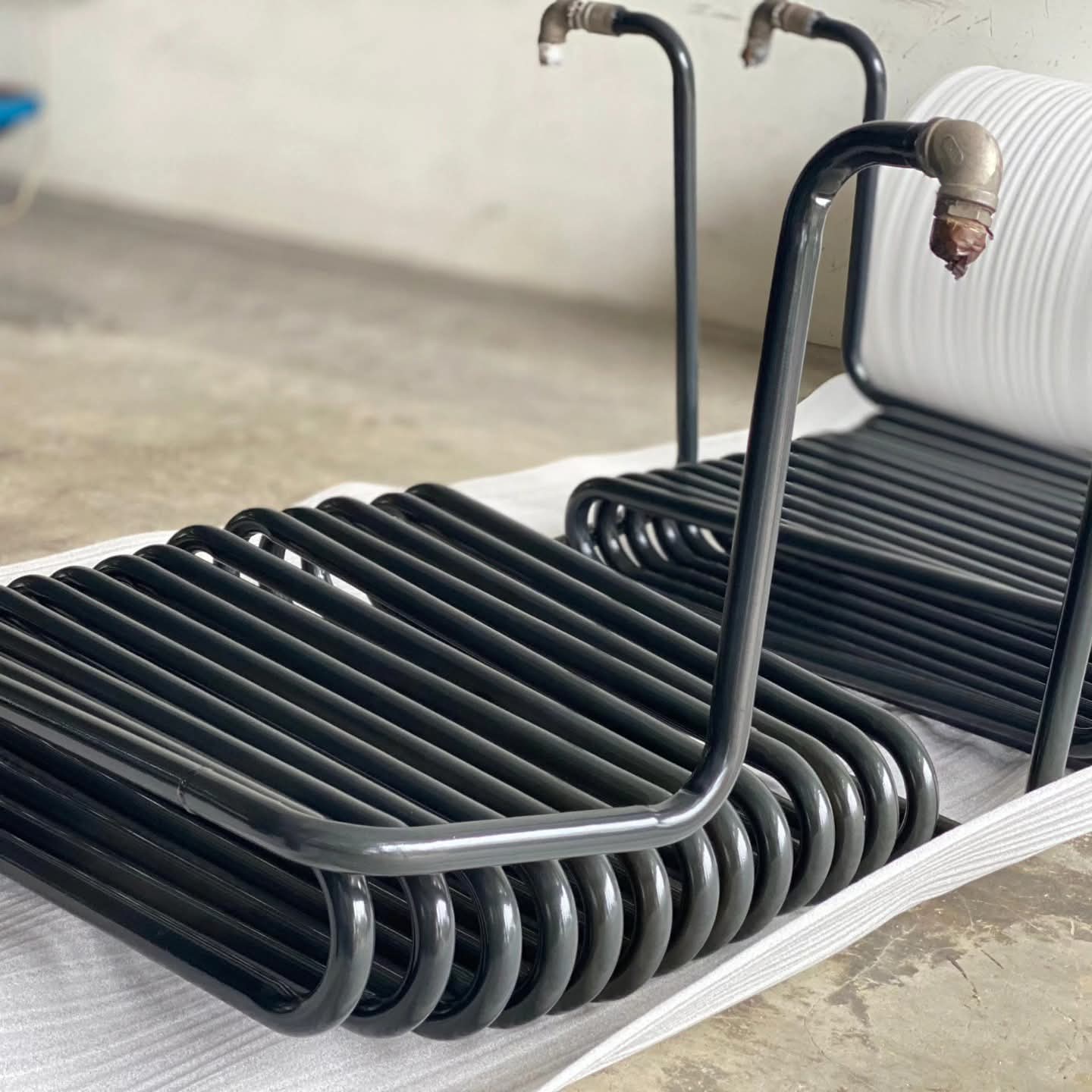
Halar Coating
Halar® ECTFE coating is a high-performance, melt-processable fluoropolymer designed for extreme chemical resistance, corrosion protection, and durability in harsh environments. It provides superior protection against acids, bases, and solvents, often used in chemical processing, semiconductor, and pharmaceutical industries on components like tanks, pipes, and valves.
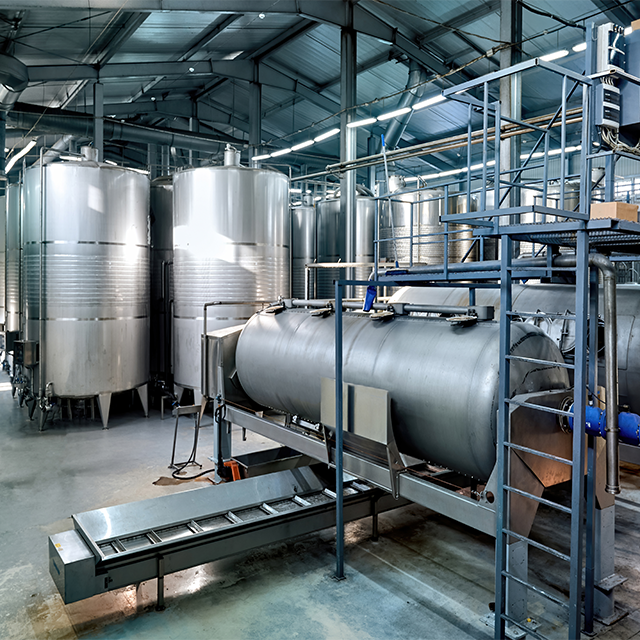
Tank Cleaning
Depending on the project, operations include mechanical sludge removal, high-pressure water blasting, and injecting specialized chemicals or steam to liquify and emulsify hardened waste